



Trailblazing duo steps into Decorex Africa’s creative spotlight
Alan Hayward and Garreth van Niekerk have been announced the latest Creative Directors of Africa’s prominent showcase of décor and design.
With their acquisition of 100% Design and, more recently, Design Joburg, Decorex Africa is unquestionably the leading showcase of décor and design from Southern Africa. Whilst they’ve certainly been the champions of design from the Southern tip of the continent, it is only now, following their recent announcement of their new Creative Directors, that they seem destined to become the prominent advocates of continental design.
Alan and Garreth – recognisable as the co-founders of multi-brand collective retailer Always Welcome – will approach Decorex Africa 2025 with a focus on spotlighting the creative ingenuity of the continent through immersive exhibitions, international partnerships, and inspiring collaborations that connect African talent to global audiences and South Africa’s powerful industry players. With this pre-emptive and well connected pair at the helm, Decorex Africa is poised to become not only a showcase of African talent but a transformative hub for design innovation, collaboration and inspiration for the future.
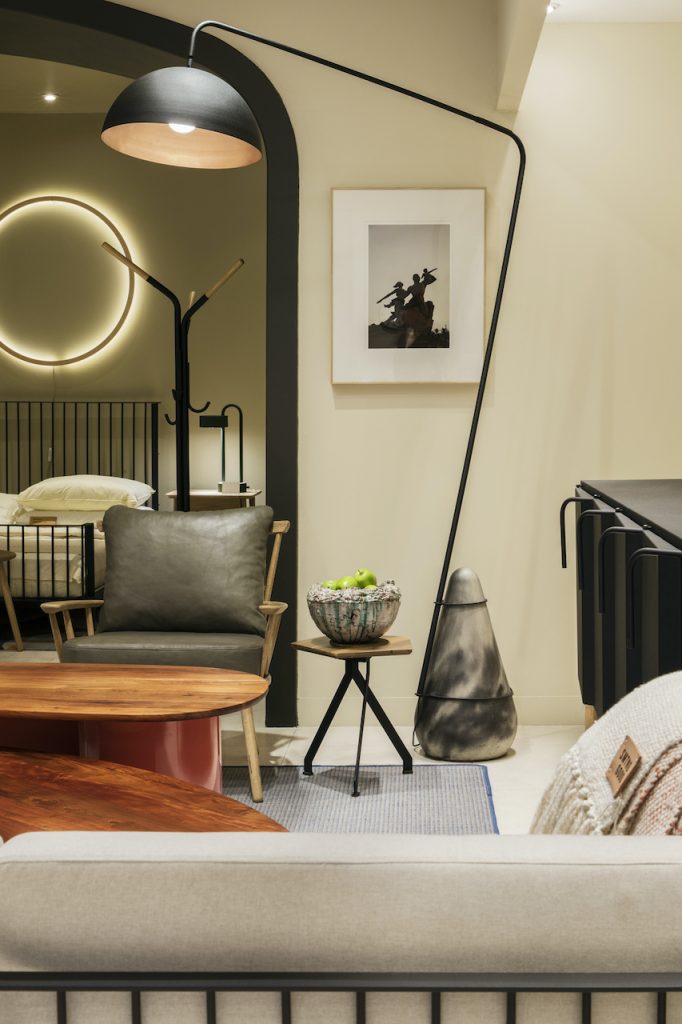
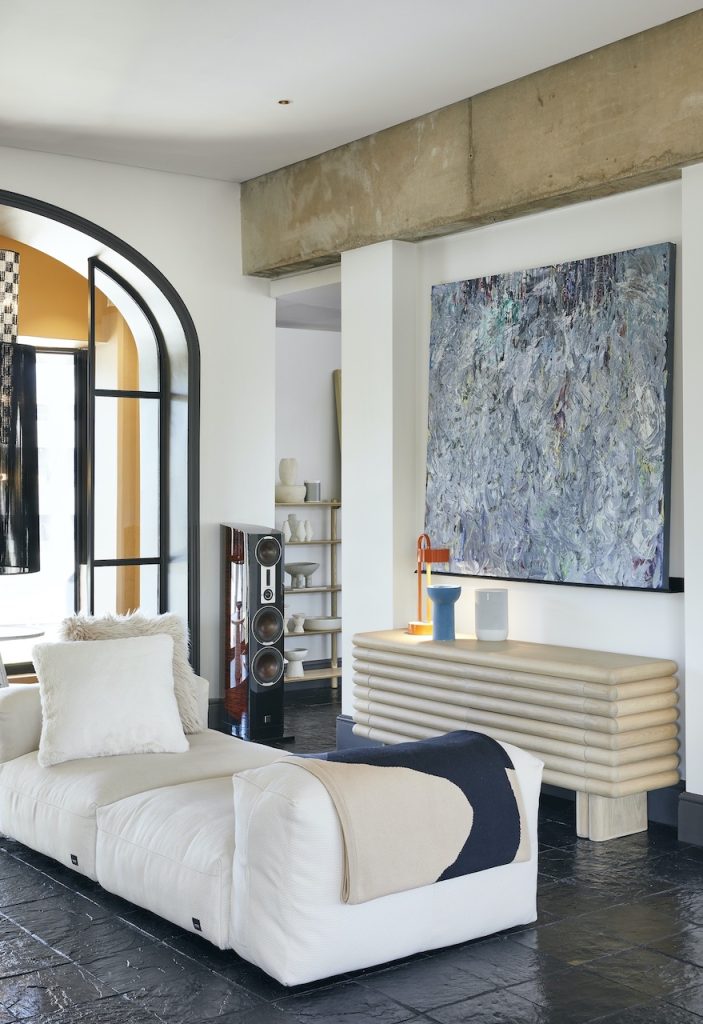
The Always Welcome store
In the latter half of 2024, Garreth and Alan travelled the continent for Capitec handmadeAFRICA, their latest project which had its newest pop-up in Johannesburg at the end of November. They experienced the extraordinary emergence of a new wave of African designers, and their aim is to locate Decorex Africa within this context.
We sat down with Garreth and Alan to dig a little deeper into their approach to design, their travels across the continent and the upcoming shows.
What strengths and specialized skills do you each bring to your professional partnership?
Garreth: I think we’re both strong communicators and storytellers, but problem-solving is my superpower – and often very quickly. As a creative, you really need to think outside the box and “make a plan”. I get a real thrill out of dreaming up solutions and seeing them come to life.
Alan: We’re both highly social and enjoy getting into the minds of creatives. We love people with vision and have developed a knack for blending different creative ideas into something cohesive. I’m a “roll-up-my-sleeves and get things done” kind of person – pragmatic, efficient and focused on how to execute ideas effectively.
Where will some of your participants in the African Design pavilion at Decorex hail from, and what kinds of design can visitors expect to see? Any recognizable names?
Garreth: We’re finalizing our A-list, but we can’t give away all our secrets too soon! What I can say is that audiences can expect some of the biggest design stars from the continent, along with emerging talents we’re confident they’ll fall in love with as quickly as we did.
Alan: This year, we want to broaden Decorex’s definition to include the entire value chain of design, from conception and planning to execution. Expect to see fashion, homeware, art and craft. The continent is rich in style and creative vision, and we can’t wait to introduce Decorex to the amazing people who’ve inspired us along the way.
What was the goal with handmadeAfrica, and are there similarities and/or differences with what you’re planning for Decorex?
Garreth: The goal with Capitec handmadeAFRICA has been to connect the continent through design, both for visitors and our stable of designers. handmadeAFRICA focuses more on retail and working closely with SMMEs. Decorex is much larger and less retail-focused. We’re excited to merge these worlds and create new opportunities for designers and buyers, ultimately establishing one of Africa’s biggest trade communities.
Alan: Decorex covers the entire business of design, including hospitality, events, and both residential and commercial properties. Think of handmadeAFRICA as your wardrobe and Decorex as the house and neighborhood it’s in.
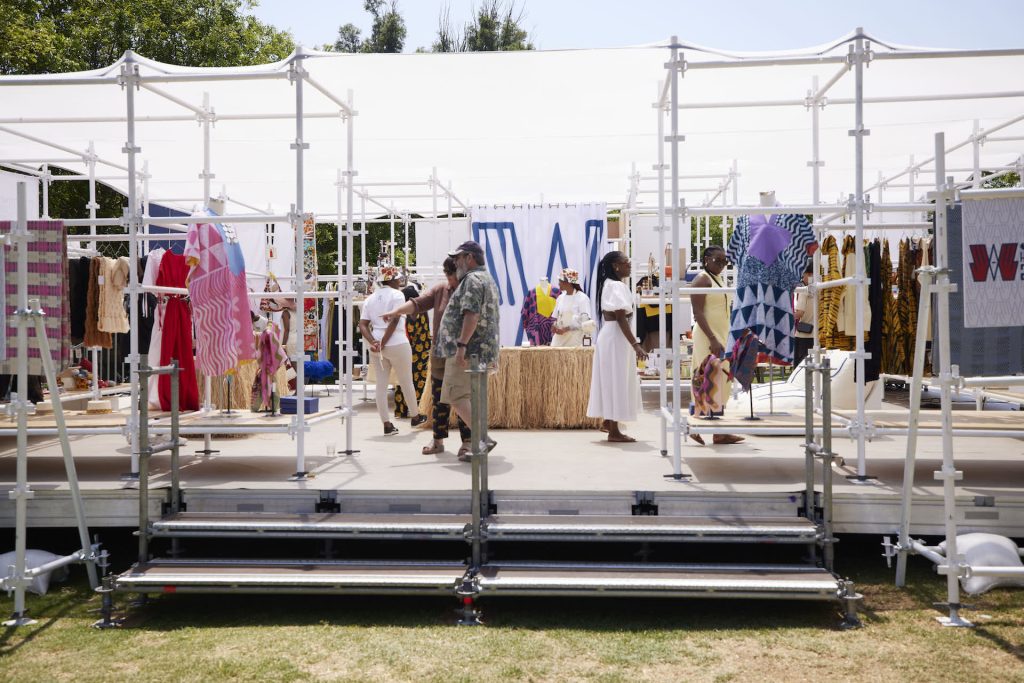
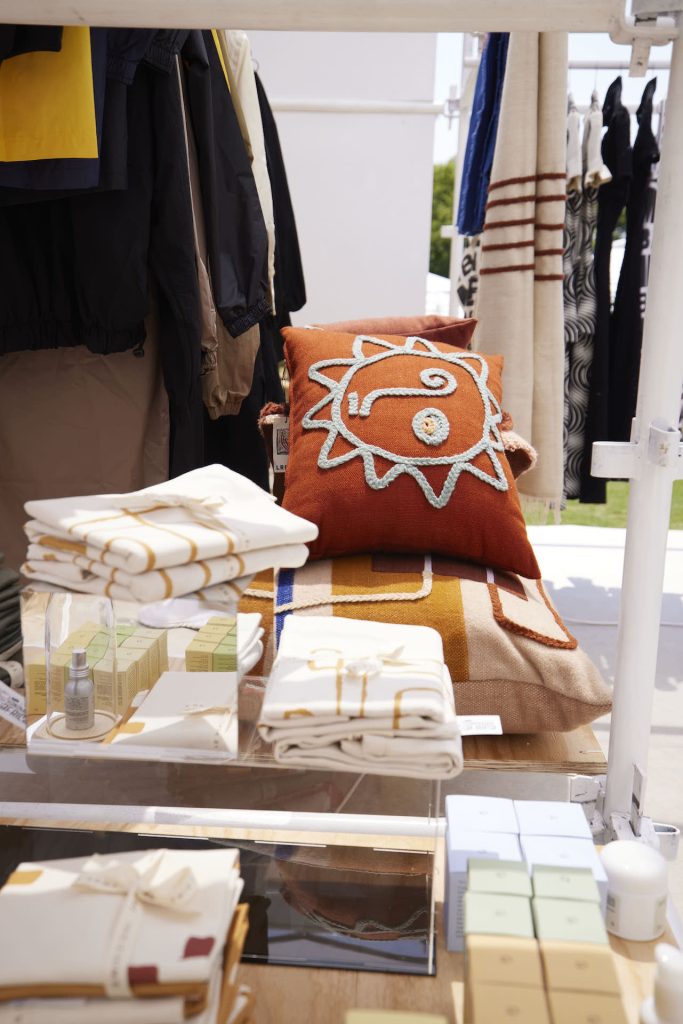
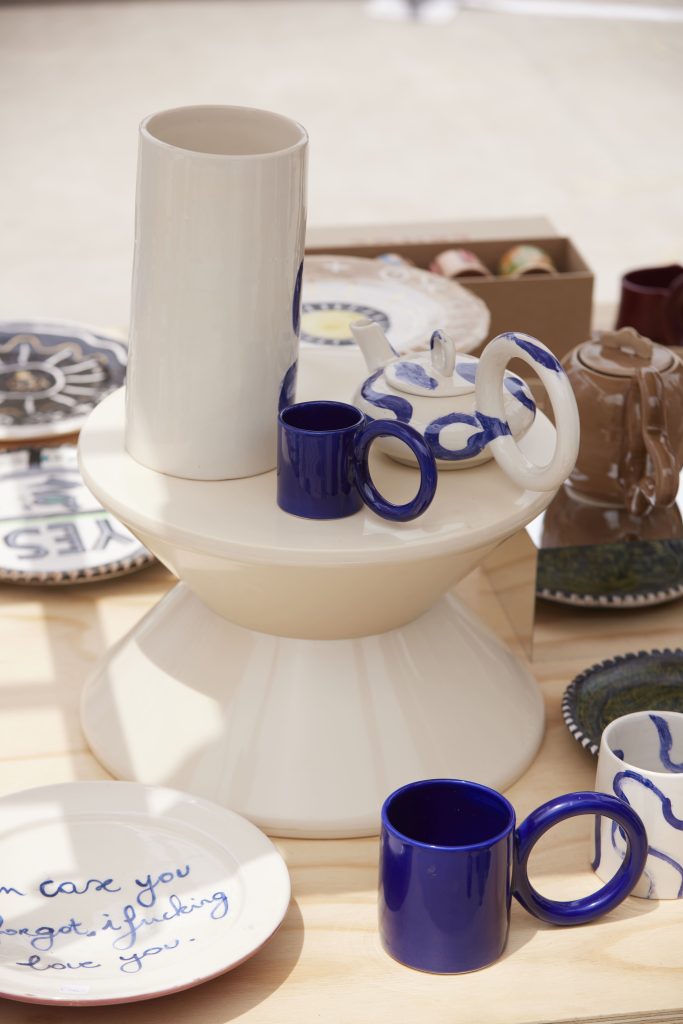
handmadeAfrica
What challenges did you face while researching and sourcing for handmadeAfrica?
Garreth: Africa is enormous, and while we’ve traveled extensively, doing business here is all about relationships. Our trips focused on building networks and immersing ourselves in the local design scenes. We’ve connected not just with designers, but also fostered connections among them – many of whom we might never have met otherwise.
Alan: Interconnections between African countries aren’t as established as those in Europe or other developed regions. Our long-term aspiration is to encourage intra-African trade, so these rich aesthetics and cultures are shared within the continent rather than being performative for overseas audiences.
Does what you discovered on your African travels meet international standards in terms of aesthetics and quality?
Garreth: The products we’ve selected often exceed international standards in quality and aesthetics. But we’re more interested in challenging those standards. We believe African makers can create their own benchmark, emphasizing a unique approach to business. We’re all asking: “What defines an African luxury product?”.
Alan: Many African goods are handcrafted by skilled artisans, unlike overseas brands that outsource manufacturing globally. The incredible artistry we’ve seen – transforming simple materials into extraordinary products – adds a soul to each item, elevating it into something rare and worthwhile.
Is African design ready for its spotlight on the international stage?
Garreth: Instead of asking, “Is African design ready?” we should be asking, “Is the international design scene ready for African design?”!
Alan: Life can be humdrum, but there’s a flair for life in Africa where creativity feels fresh and hopeful. While international recognition is important, our true hope is for African design to flourish in African homes, closets, parties and festivals. With Africa’s vastness, the creative possibilities are endless.
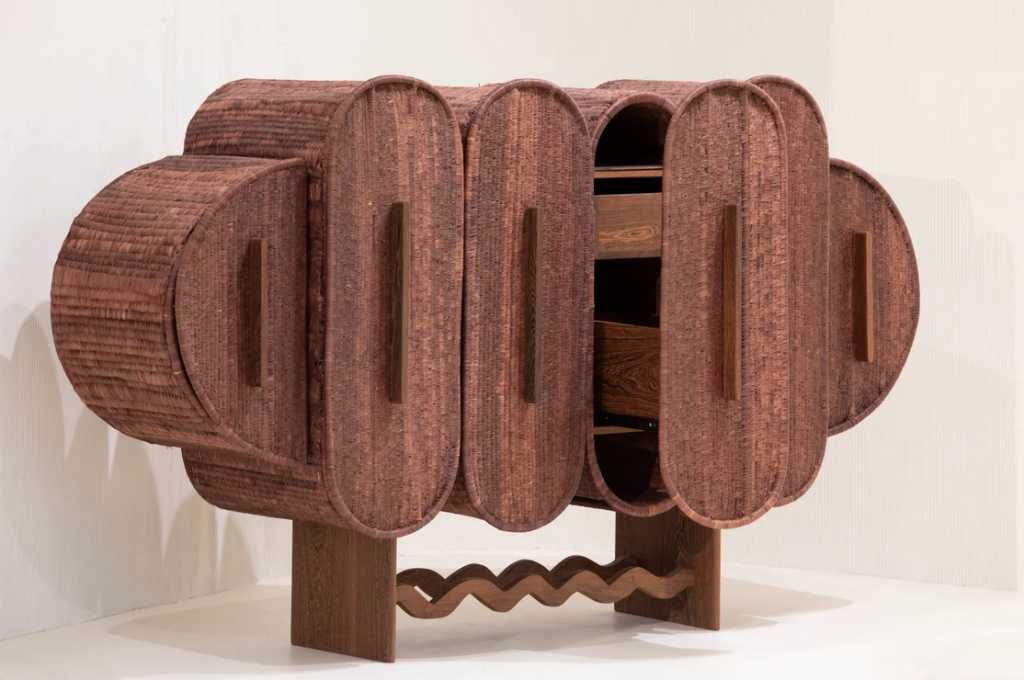
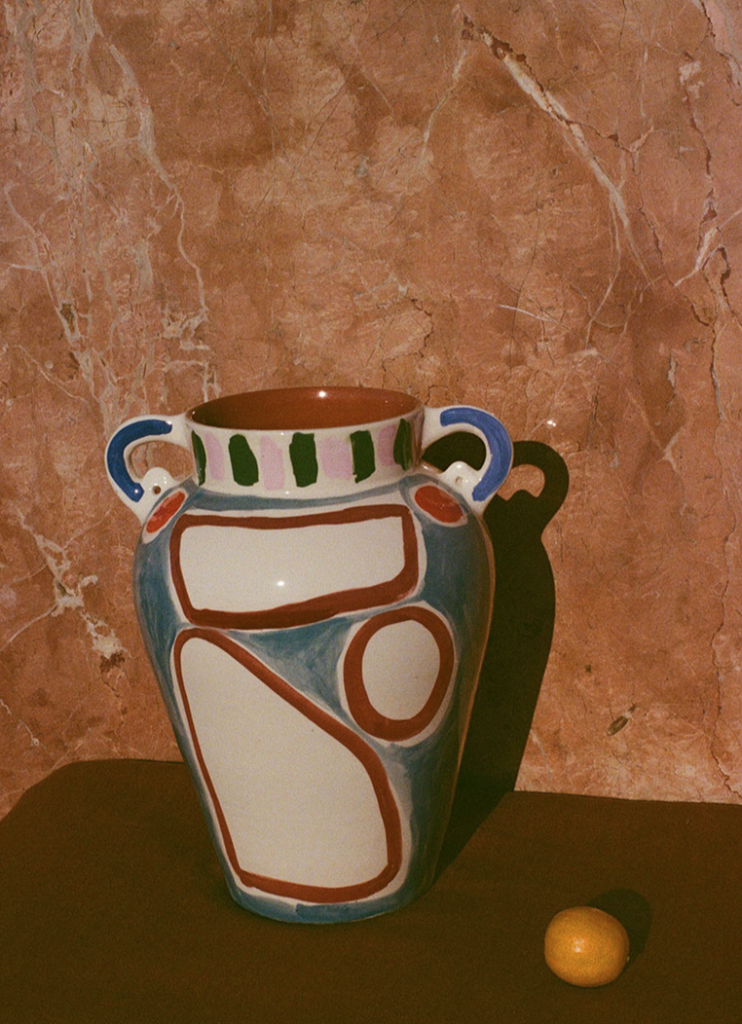
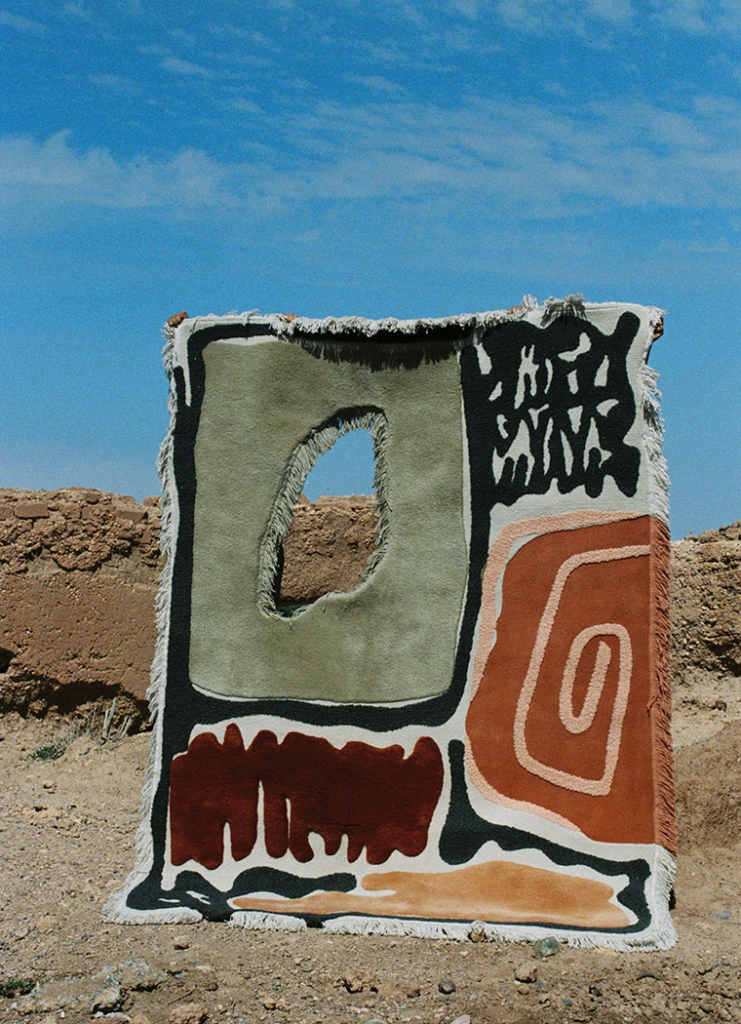
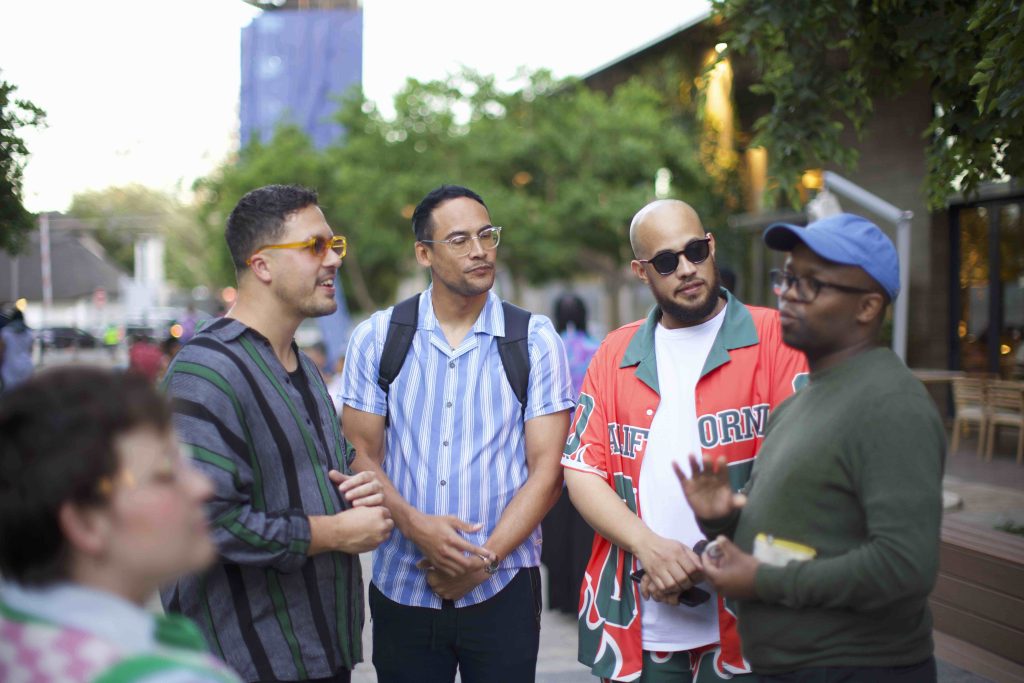
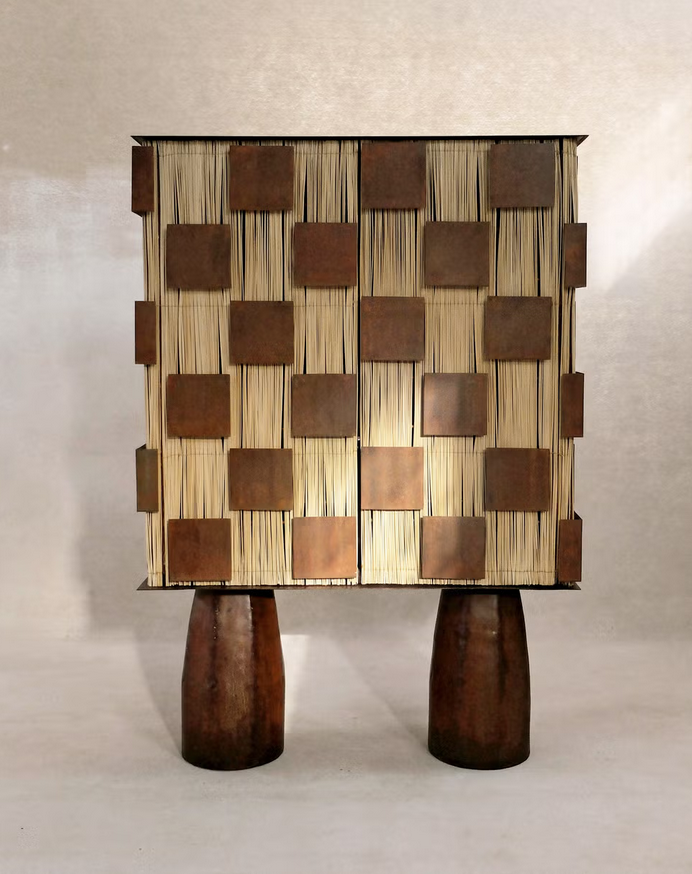
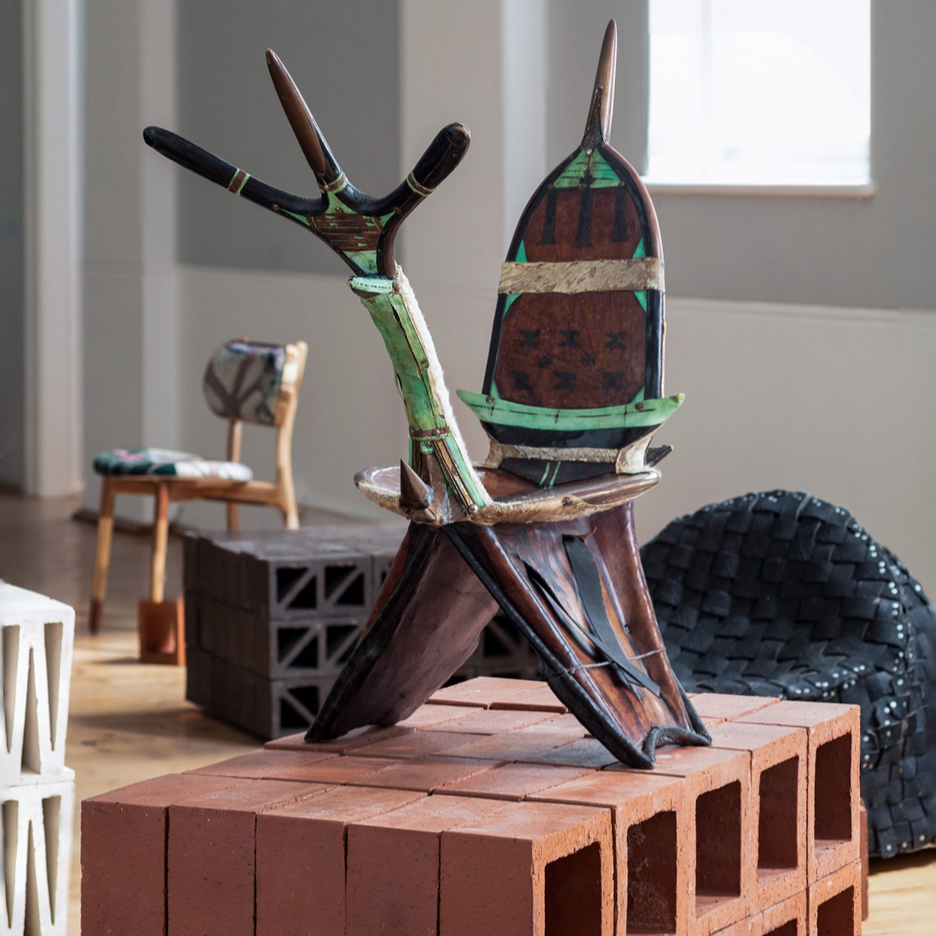
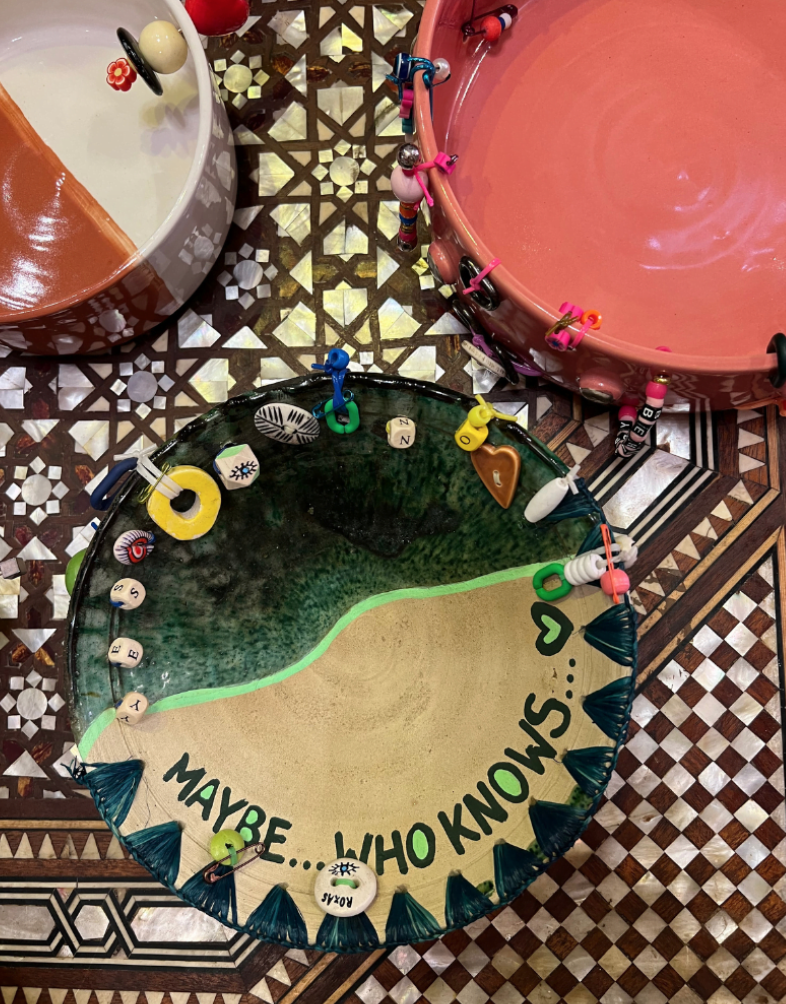
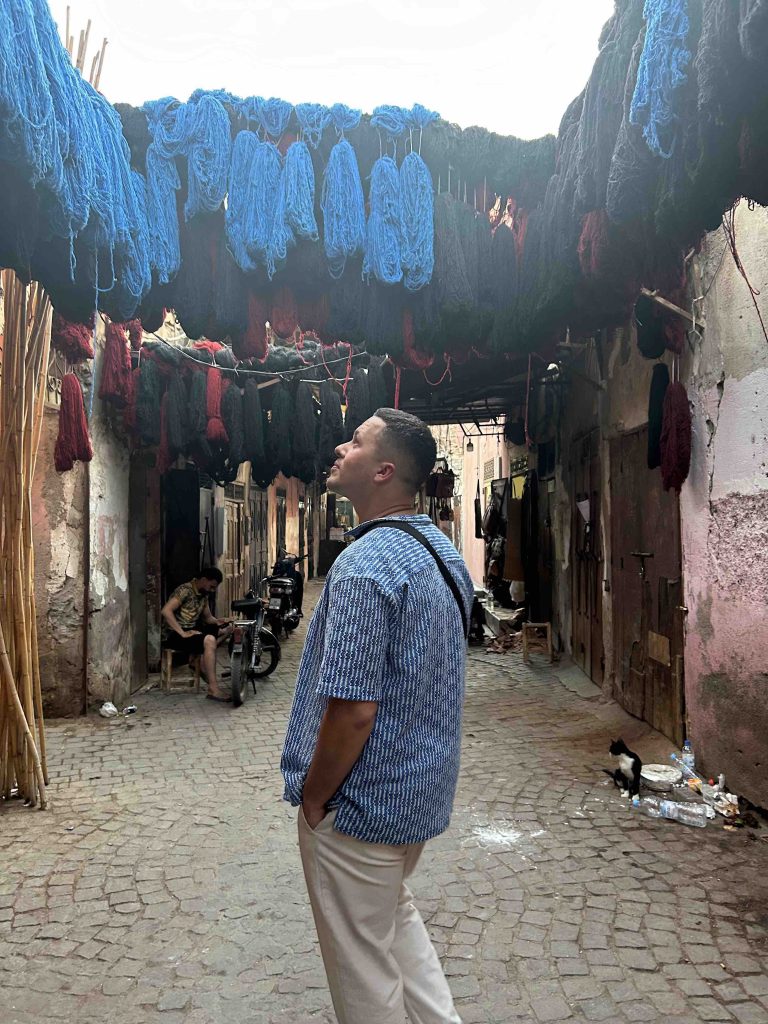
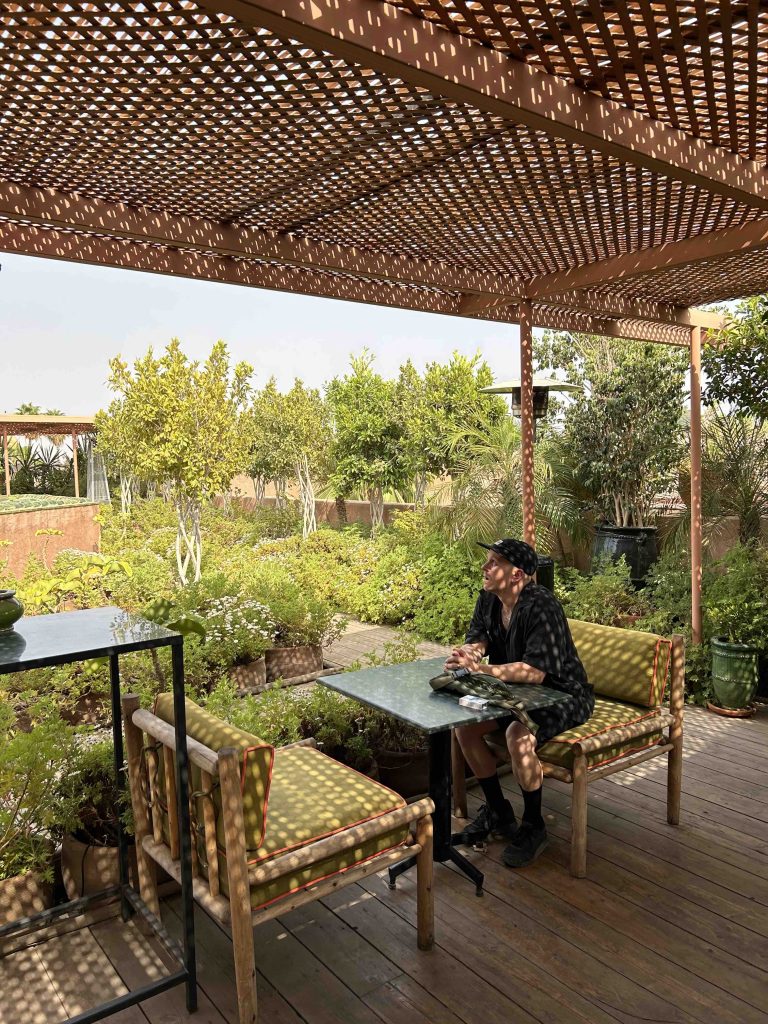
The duo’s journey of discovery through Africa’s vibrant design scene
How do you plan to share African creativity on a global stage, and what should Africans do to help?
Garreth: Since launching Capitec handmadeAFRICA, we’ve received increasing interest from designers across the continent. It seems obvious, but in my years in South African retail, this wasn’t the case. Sometimes, simply creating a supportive space can empower people and transform an industry.
Alan: We love seeing creatives collaborate and create networks in manufacturing, retail, and trade. No creative person can thrive in isolation. With increased manufacturing scale comes higher quality and innovation, driving the industry forward.
What sets African design apart from design in the rest of the world?
Garreth: Africa isn’t a country; it’s a continent rich in diversity. I prefer thinking about “design from Africa” rather than reducing it to a single aesthetic. Similar to Europe or America, there’s immense variety. What unites our designers is their passion for heritage, community skills and environmental impact.
Alan: It’s about authenticity – our stories need to be told, and the dedication to making them happen shines through. These aren’t corporate-driven agendas; they’re the stories of small businesses, families and friends. That realness makes everything better.
Do you have a personal set of criteria when buying art and design from Africa?
Garreth: My process is intuitive but involves factors like novelty, sustainability, perception and brand trajectory. It’s about finding that special “spark” that makes something worth the resources it takes to bring it to market.
Alan: I treasure items that feel uniquely tied to their place of origin, whether through shape, colour, or culture. These pieces reflect the local spirit and are always my most valued finds.
For more information on Decorex Africa 2025 visit decorex.co.za or follow @decorexafrica.
Words and production: J-P de la Chaumette
Photography: Thato Mabaso, Paris Brummer, Robin Hill and supplied