“They’re like chicken strips that went to India on a gap year…!”
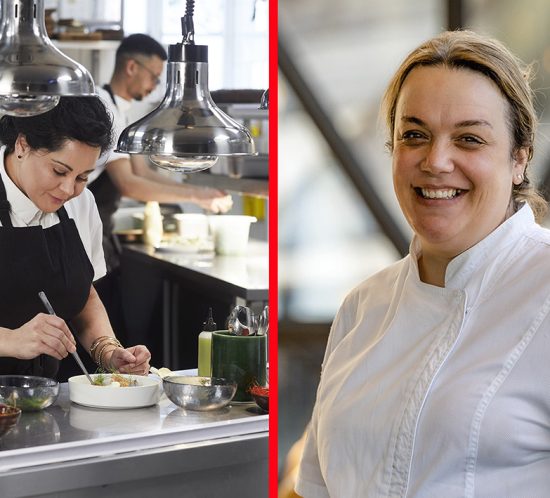
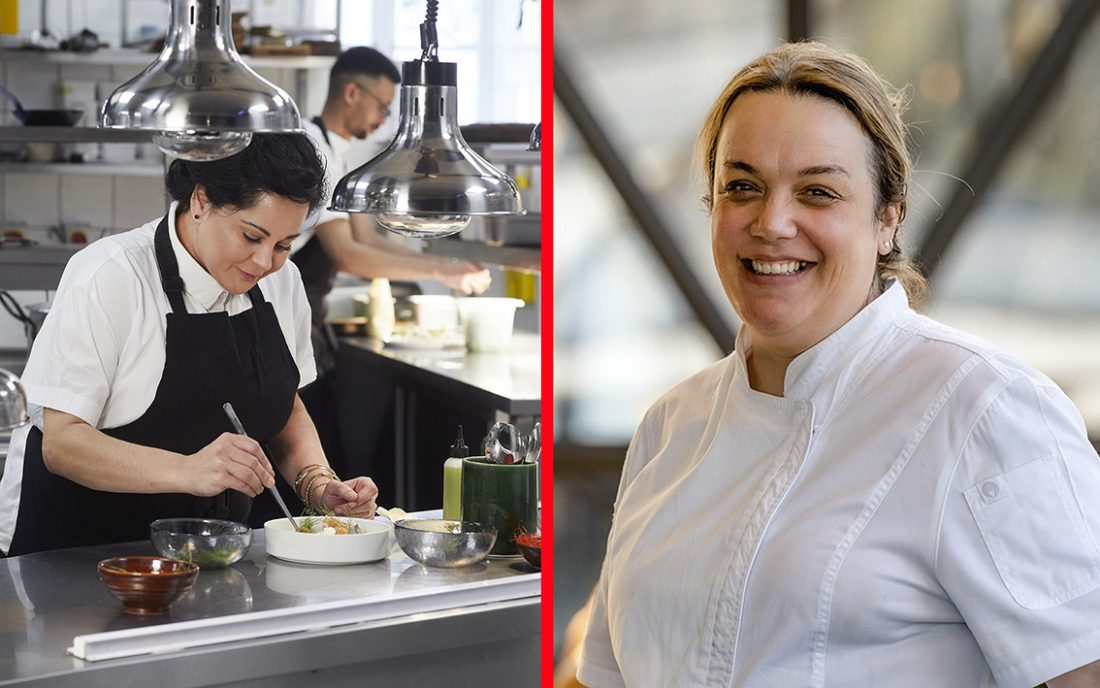
Upper Union’s Amori Burger and Veronica Canha-Hibbert (of The Willaston Bar, Silo Hotel) recently launched flavour-packed menus that showcase their love of shared plates and global cuisine. When better to get the inside scoop from two top-of-their-game chefs then National Women’s Day month?
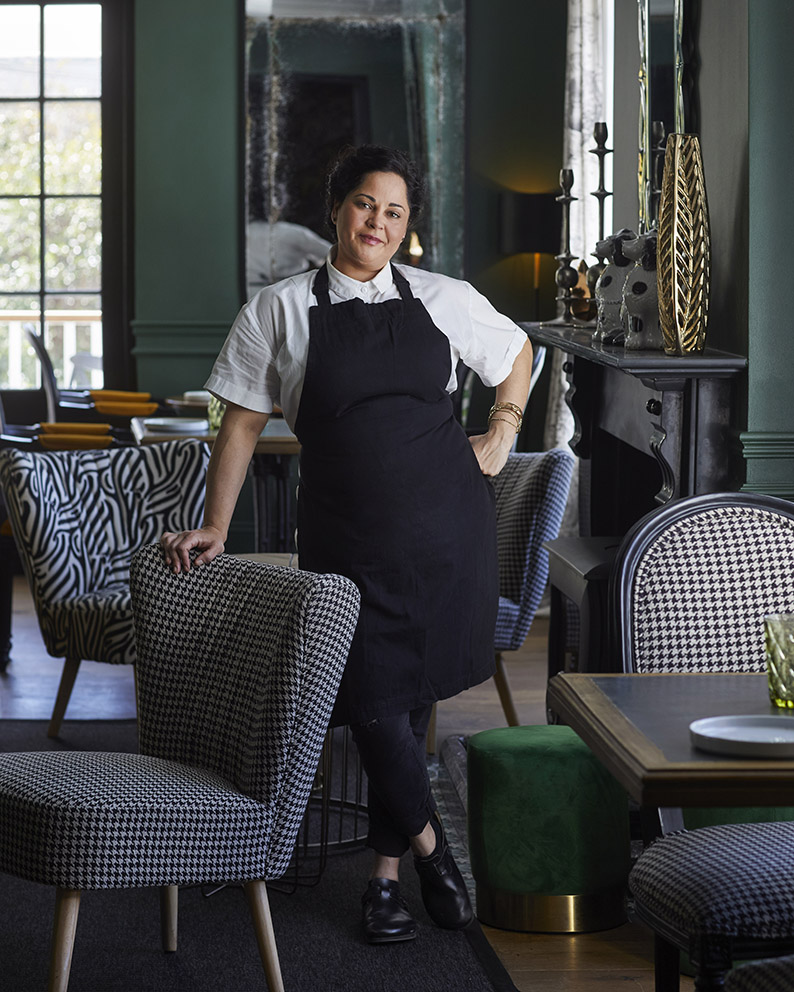
AMORI BURGER, EXECUTIVE CHEF, UPPER UNION
—
Upper Union’s new menu centres around shared dishes. Has shared dining played a part in your journey as a chef?
I grew up in a family where we celebrated everything around a table. We are all good cooks…every oom can braai (some better than others!), every tannie can cook. It’s a big part of who we are. And so the winter menu centres around sharing, but Upper Union’s menus have always been about sharing.
Why are shared plates intrinsic to the contemporary dining experience?
Chefs can be more creative. With small plates diners can order more food, and see what ideas and techniques a chef is capable of. You get to see what runs through our heads every day.
What all did you consider when putting together this menu?
I wanted it to be more refined and with more technique. I lightened it up, it’s not as heavy as it used to be, but still packed full of flavour. I wanted the menu to be North African, as always, but a little bit different this time, focused on aromatics rather than heavy sauces.
North African and Middle Eastern flavours play an important part in the new menu. What were your strongest influences?
There are two cookbooks that pushed me in this direction. The first, Nightingales and Roses by Maryam Sinaiee, is an Iranian cookbook… think walnuts, blue fenugreek, pomegranates, dates, pickles, aubergines, and incredible bread. The second was Kaukasis: A Culinary Journey Through Georgia, Azerbaijan and Beyond by Olia Hercules. The Georgian dishes stood out for me; they are super light, yet filled with spices that give floral flavour. I read these two books like fiction, from front to end, recipe by recipe, to learn.
What’s one of your most vivid memories of North African cuisine?
The first time I tasted Moroccan biscuits – the ones you get with mint tea – I was blown away! I could not fathom how anything could be that soft and delectable and melt-in-your-mouth. They have different flavours – tahini and almond – and I could distinctly taste the difference.
What new dish best exemplifies how you enjoy working with flavour?
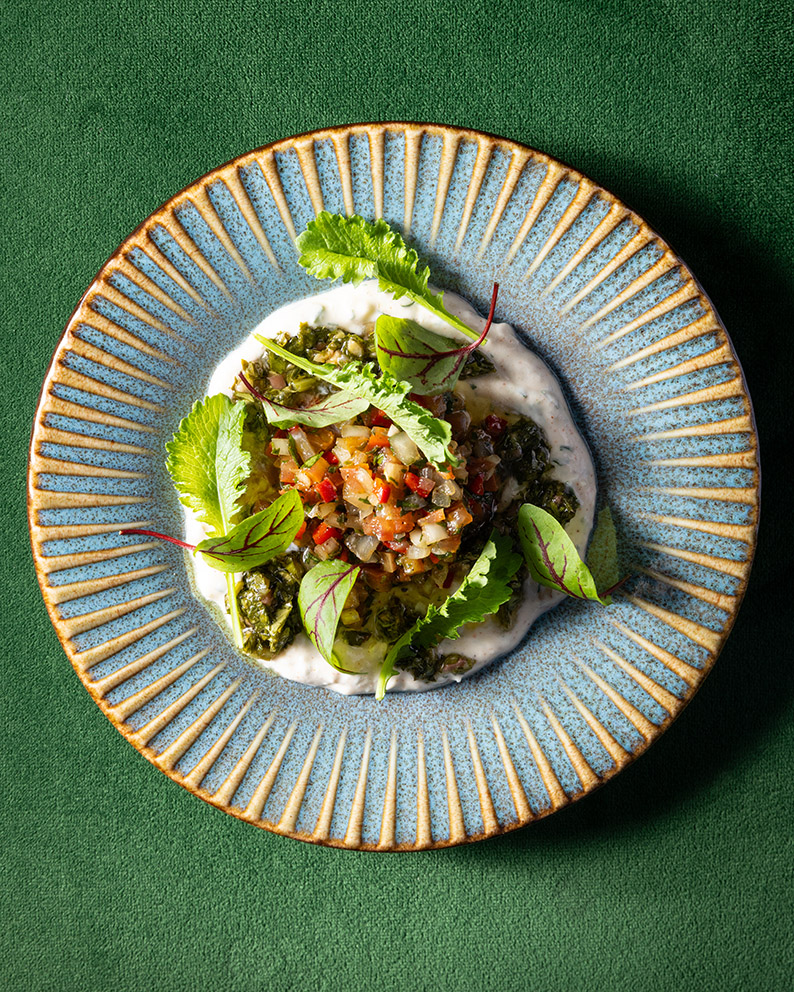
The Sheep’s Cheese Haydari with esme, olive epityrum and mareek bread. Sheep’s cheese is not uncommon, but it’s also not something you see everywhere. We make the haydari, almost like a yoghurt, in-house. Esme is a beautiful Turkish salsa with sumac and pomegranate molasses, both of which give it a tangy, lemony, sweetness, served with tomato, onion and greens. The olive epityrum is an old Roman condiment with four kinds of olives (that took us a while to source!), garlic, dill, parsley, olive oil, preserved and fresh lemon, and a little bit of lime rind. The mareek bread is a semolina bread, it has a 48-hour fermentation giving it rich flavour. The dish is something you don’t expect. When you eat it, your mind is like, “What…just…happened?!”
What advice would you give home cooks eager to experiment with spices?
Make sure your spices are fresh, not older than three months, and buy only the amount you need. Read the recipe; are the spices to be toasted or not? That makes a massive difference. Make sure you get the best ingredients (my favourite place to buy spices is Wild Olive, a deli in the Lifestyle Centre).
Any ingredients you’ve incorporated into the new menu that diners many not know?
A flavour that we have never had before is Red Ajika, a salt made of blue fenugreek (one of my new favourite things on the planet!), ground coriander, dried marigold petals or powder, garlic salt and fresh red chili. That marigold tastes like saffron meets elderflower. We serve it as a garnish on top of our haydari and it’s incredible.
Do you have a favourite dish on this menu, and why?
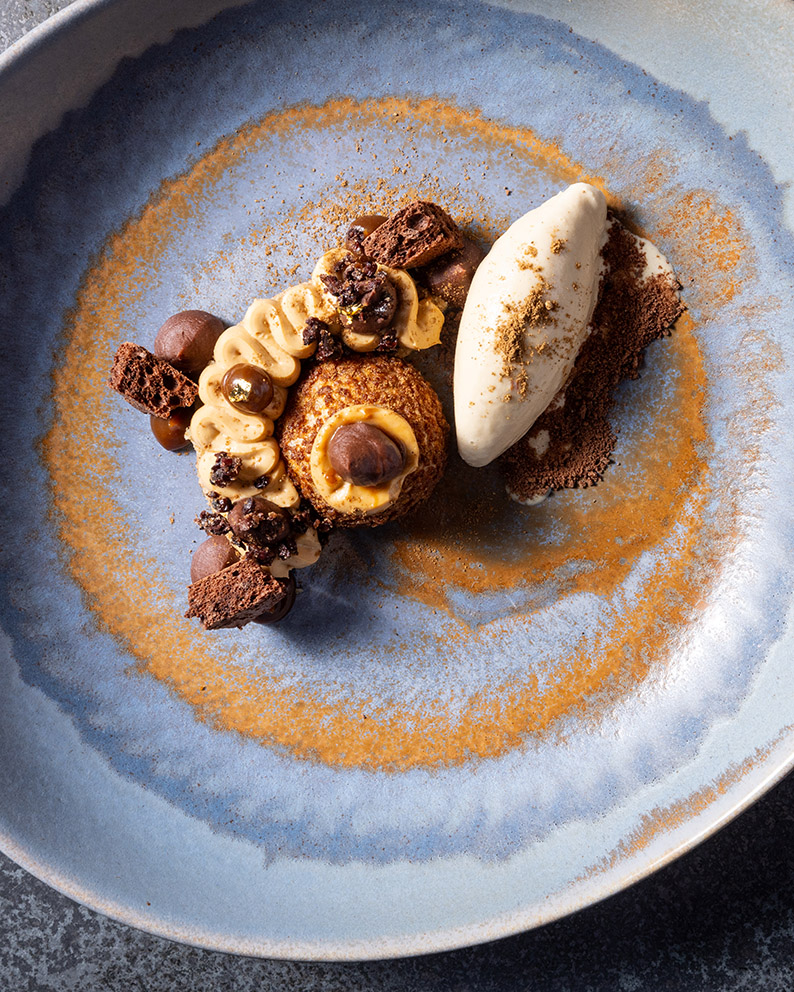
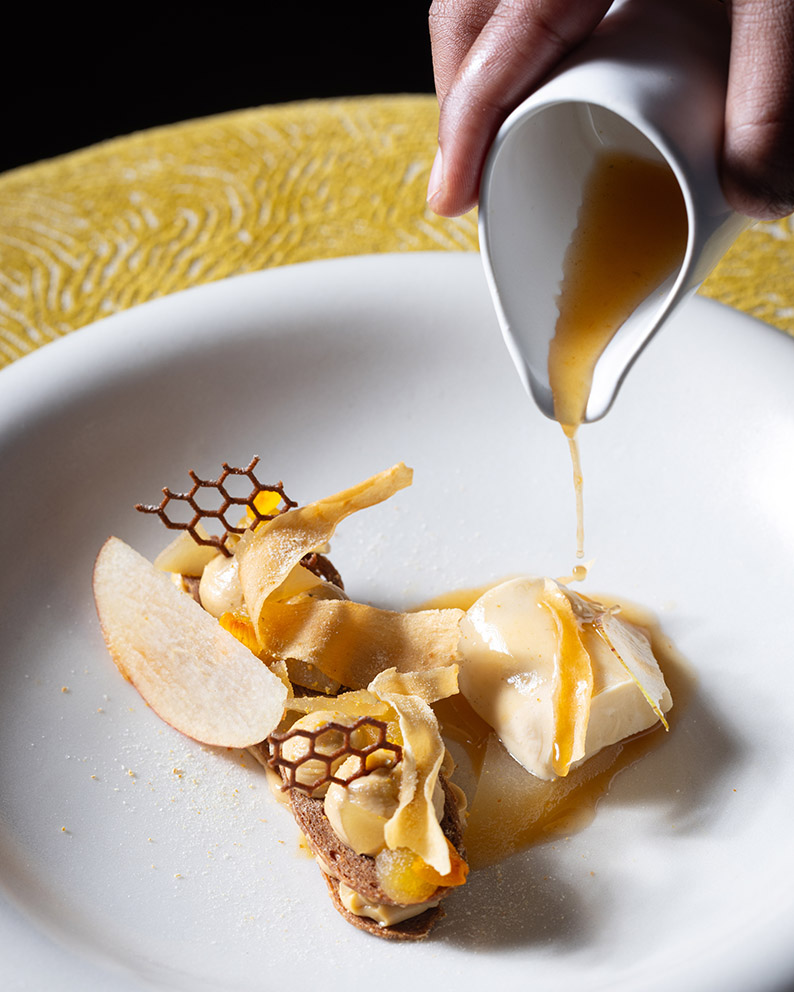
Yes, because of the work that went into it! Bernice, our senior CDP, wanted to make a ‘deconstructed’ opera tart, a cake requiring a complicated skillset. I told her she’d have to make the cake multiple times before she could consider breaking it apart. You can’t break it until you’ve built it! Initially she struggled, but eventually she made the most beautiful opera tart that I’ve ever seen. And then she got to take it apart.
Upper Union is open seven days a week for lunch and dinner. Wine pairings are offered alongside the curated Chef’s Menu. Bookings are advised.
VERONICA CANHA-HIBBERT, EXECUTIVE CHEF, THE WILLASTON BAR, SILO HOTEL
—
The Willaston Bar’s new thali menu centres around shared dishes. How has the sharing of meals played a part in your journey as a chef?
Growing up, food was never just sustenance; it was how we as a family came together and stole a moment in our day to shut the world out and be together. With working parents our meals were always shared, my mother never plated dishes, but rather we would dish from pots and platters and then take a seat and eat together. Our meals were communal, and as a family, we were able to speak to each other freely. In professional kitchens, the most memorable moments often revolve around sharing. We taste new dishes together, giving input, adding to dish ideas, or cutting out components.
Why small plates for the menu?
Diners are more adventurous and social, and sharing plates offers an opportunity to explore a menu, encouraging conversation and discovery. Today’s generation of diners prizes experience as much as flavour, and small plates transform dining into a story told bite by bite.
What is one of your most cherished shared meals?
On a trip to Valladolid, Spain, I was invited to a bodega. The ‘cave’ was lit with a candle and had an open fire where our host Paco cooked local tapas. We sat around a rickety wooden table, eating shared tapas with our hands. It was an evening about flavour, respect for produce, and cultural pride.
What all did you consider when putting together the menu?
This is a bar menu, and that meant keeping the eating experience simple. I wanted the food to make diners want to stay for another drink, order another plate, and extend their night for more than a beer and a few nuts. I wanted bold flavours without overpowering heat, and complexity without fussiness.
Spice plays an important part in the thali menu. What influenced you?
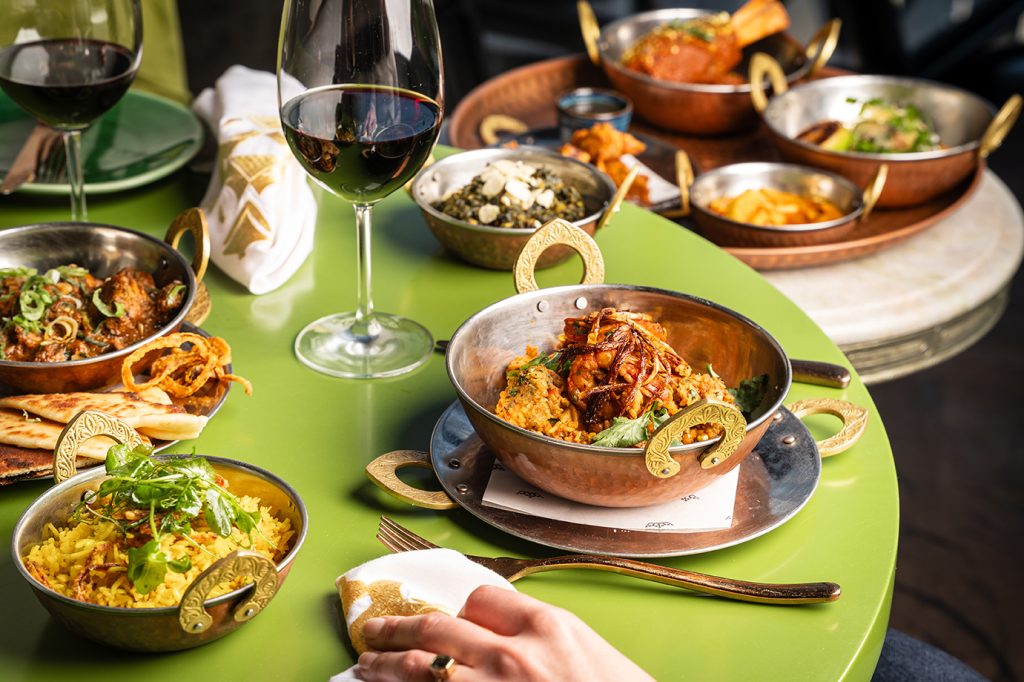
The Silo is located near the BoKaap, and this has influenced my dishes. I have kept the Cape Malay Seafood Curry on our classic menu for years now as it’s a guest favourite. I wanted to expand on this popularity and fell down a rabbit hole reading my top ‘curry’ books, like Masala: Indian Cooking for Modern Living by Mallika Basu and Dishoom: From Bombay with Love by Shamil and Kavi Thakrar.
What dish on the thali menu do you feel best exemplifies how you enjoy working with flavour?
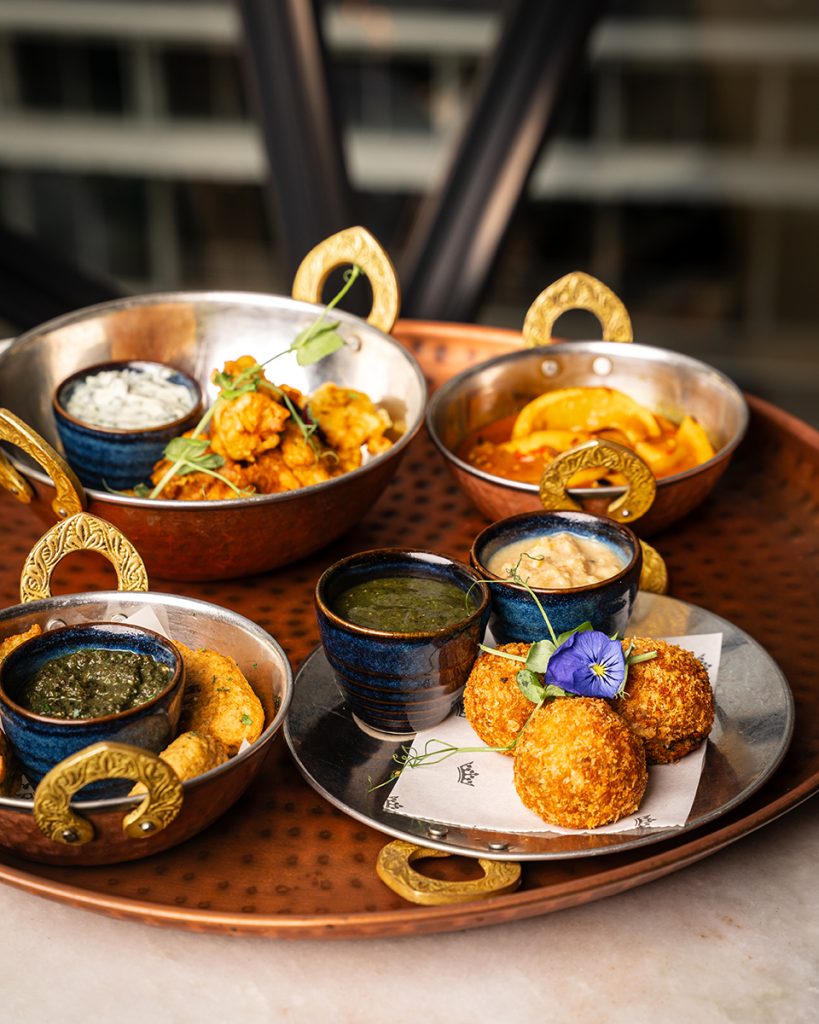
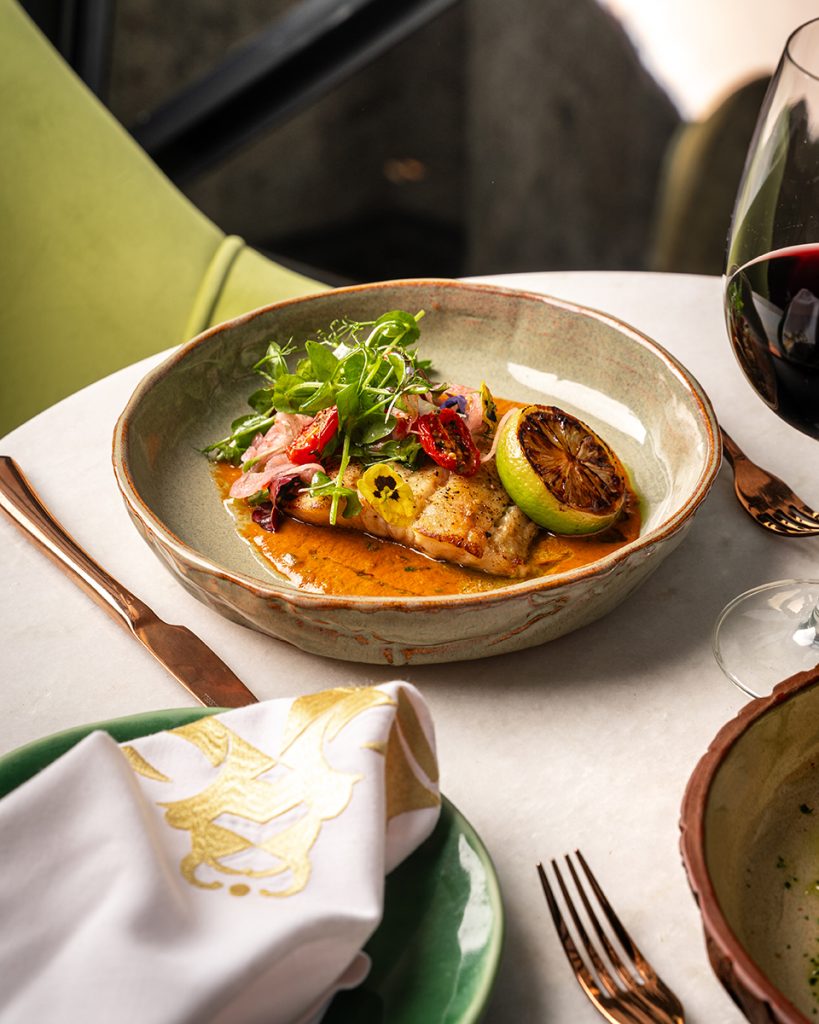
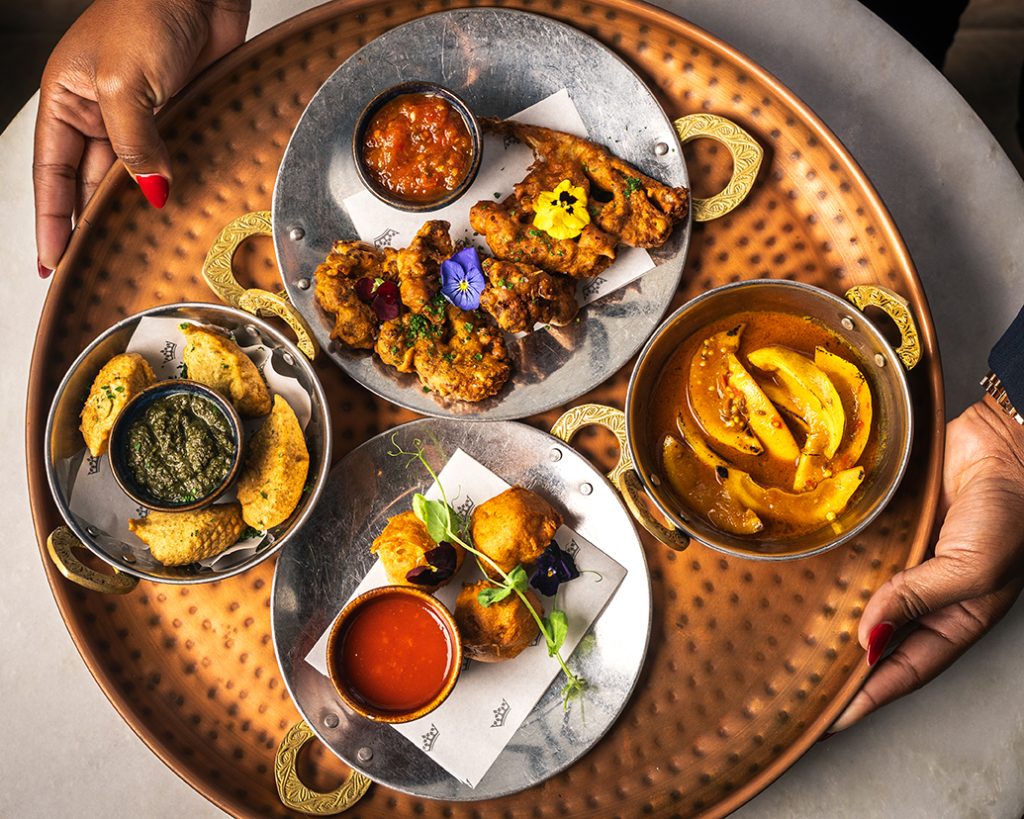
The tamarind- and jaggery-glazed aubergine, served with curry leaf-infused yoghurt, is a standout. It’s a dish where sour, sweet, smoky, and umami co-exist without any one element dominating. I enjoy building spice in layers – not just in heat, but in how spices bloom and transform with time and fat. This dish does just that: mustard seeds pop, curry leaves crackle, and the jaggery caramelises into something deeply satisfying.
Any advice for home cooks eager to experiment with spice?
Buy your spices at a specialist spice shop; I love Atlas Trading and Cape Spice Emporium, the team are so knowledgeable and happy to chat about the best way to get the most of the spices. Fatima Sydow was a local cook who did the most amazing Cape Malay dishes and she always used fresh spices and explained her processes in simple ways. Watching her YouTube videos will give you confidence.
Are there spices in the thali menu that diners may not be familiar with?
Asafoetida is a pungent, resinous spice used in tiny quantities. It lends a deep umami flavour and is especially valued in vegetarian cooking as a substitute for garlic and onion. I’ve used it in the spiced spinach yoghurt as well as the coconut chutney. Amchur (dry mango powder) is a tart, fruity powder made from dried unripe green mangoes. It imparts a tangy acidity to chutneys and chaats without adding moisture. Diners can taste it in the spicy green chutney that accompanies the Ram Ladoo. There’s also Kasoori Methi, or dried fenugreek leaves, which I’ve included in the vegan Palak Paneer with Tofu.
Do you have a favourite dish on the menu?
My favourites include the Crispy Cauliflower with Coconut Gravy (these bites pack flavour, and the coconut gravy has the most complex flavour), and the Buttermilk Chicken Pakoras with Spiced Spinach Yoghurt (a very easy introduction to curry; like chicken strips that went to India on a gap year!).
The Willaston Bar is open seven days a week for lunch and dinner. Bookings are advised.
www.theroyalportfolio.com/the-silo-hotel/dining/the-willaston-bar